
BookTok has been the most consequential force in publishing for about five years without ever publishing a list. It didn’t need one. A book would surface in enough feeds, enough people would film themselves sobbing into the last thirty pages, and a few weeks later it was stacked three deep on the front table of every bookstore in the country. The chart was implicit, unaccountable, and extremely effective.
This year it started becoming explicit.
What actually got built
In March, TikTok launched an official BookTok bestseller chart for the UK with the market research firm Media Control. The methodology is the interesting part: it blends verified retail sales from NielsenIQ BookData with engagement across the #BookTok community, so raw sales alone won’t get a book on it. Rachel Reid’s Heated Rivalry topped the first one, and Chloe Walsh landed six titles on a list of twenty.
In June, TikTok published its first curated US BookTok summer reading list, ten titles sourced from creators rather than generated by the algorithm. It’s a genuinely odd lineup, which I mean as a compliment. Alchemised and Daggermouth sitting next to Clarice Lispector and Le Guin is not a mix any publisher’s marketing calendar would have produced on purpose.
And underneath both of those, the commerce layer kept thickening. All four of the UK’s largest publishers now sell on TikTok Shop. HarperCollins UK went from listing 40 titles at launch in 2022 to more than 23,000. The UK books category grew 250% this year, there are around 6,000 live shopping sessions a day, and by TikTok’s own count three books sell on the platform every minute.
So within about four months, the same surface acquired discovery, a ranking, and a checkout button.
An institution is what informal power builds when it wants to be legible
Bestseller lists have never been neutral instruments. They’re a claim to authority dressed up as a measurement, and the entity that publishes one is making an argument about what counts. For most of the last century that argument belonged to newspapers and trade publications, and BookTok spent five years routing around it entirely.
The chart isn’t how BookTok gained power. It’s how BookTok converts power it already had into something publishing can plan against.
That conversion is worth watching closely, because it changes the incentives on both sides. A publisher can’t schedule a virality event, but it absolutely can schedule against a monthly chart, and once you can plan against something you start optimizing for it. The organic thing that made BookTok worth institutionalizing is exactly the thing institutionalizing tends to sand down.
There’s also a wrinkle in the methodology that I keep turning over. The UK chart blends engagement with sales, which means the platform’s own activity is partly an input to the number the platform then reports. Engagement drives the sales, and engagement is also weighted alongside those sales in the ranking, and the ranking is displayed back into the feed where the engagement happens. That’s a loop with a leaderboard attached to it. It’s not dishonest, and every chart has some version of this problem, but it’s a strange thing to describe as a measurement of the wider reading public.
The best thing BookTok did this year has nothing to do with romantasy
Somewhere in the last stretch, a video went around about How to Build Small Barns & Outbuildings, a Monte Burch manual from 1992 concerned mainly with pole framing, siting, and how to roof a horse shed. Hachette ended up moving copies of a thirty-four-year-old practical backlist title faster than the supply chain could restock it.
This happens more than you’d expect. Backlist books that go viral on TikTok routinely post sales increases somewhere between 400% and well over 1,000%, on titles that had been sitting quietly out of print-run rotation for a decade.
That’s the algorithm at its best, and it’s a genuinely new capability in publishing. No marketing budget, no seasonal push, no publicist, no relationship with a reviews editor. Just a book that was always good at its one job, finding the two hundred thousand people who happened to need that job done. Nothing about the old bestseller apparatus could ever have produced that, because the old apparatus only looked at books someone was currently trying to sell.
Notice, though, what the chart does with that event. It records the spike. It can’t produce one, and it can’t tell you anything about it, because a barn manual selling out is not a story about how many people bought it. It’s a story about a very specific match between a book and a reader, arriving decades late and landing perfectly.
A sales chart is a record of persuasion
Here’s what I think the chart is actually measuring, and I don’t mean this as a knock. It’s measuring how well BookTok sells books. That’s a real and useful thing to know, and the number is enormous: more than 50 million BookTok-recommended books sold across Europe last year, around 800 million euros of revenue.
But a purchase is the moment a book stops being someone else’s argument and starts being your problem. The video did its work, the card went through, and now there are four hundred pages sitting on your nightstand that the transaction has told you nothing about. Whether you finish it, whether it stays with you, whether you hand it to somebody a year from now, none of that has happened yet and none of it shows up on the chart.
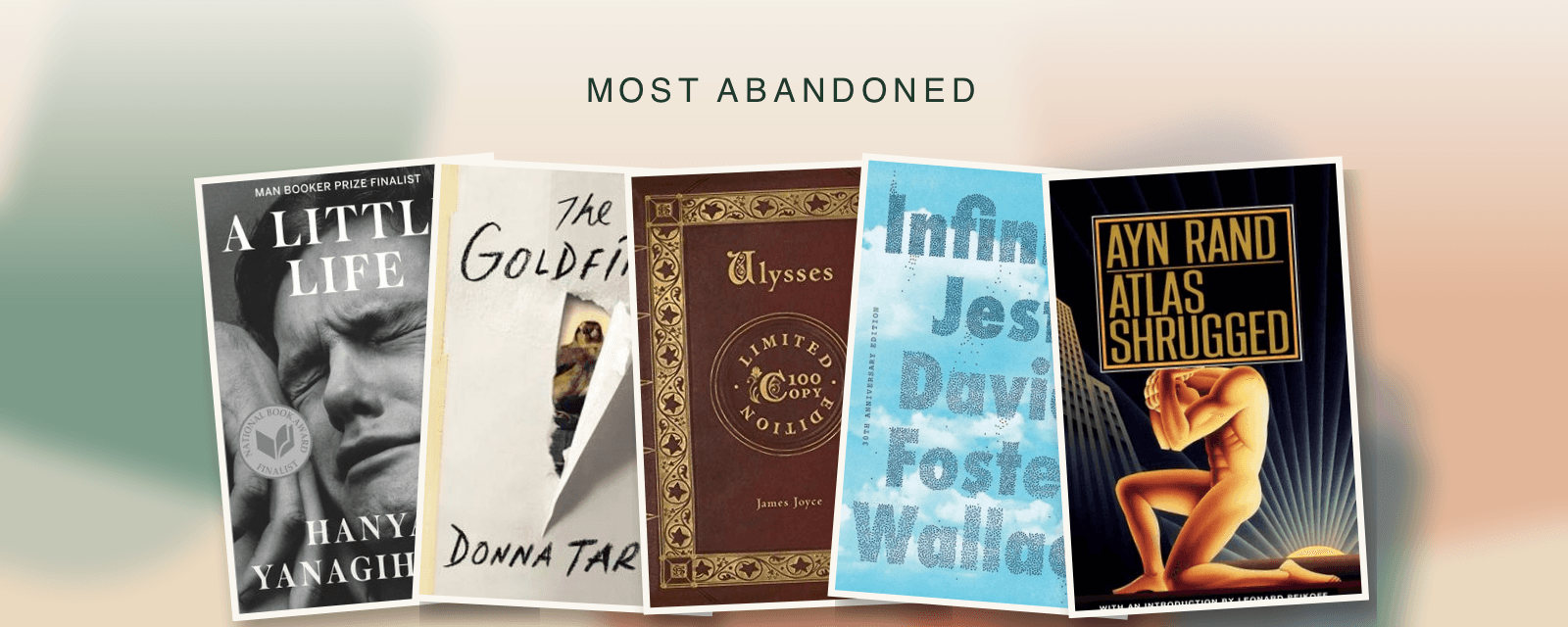
We’ve written before about where readers actually quit, and the pattern is consistent: the books people abandon most are frequently the books they were most enthusiastically sold. High expectation and low fit is the worst combination there is, and a recommendation engine tuned for a fifteen-second emotional spike is very good at producing it. The thing that makes a book work on video is not always the thing that makes it work at hour six.
So you can have a chart that is completely accurate and still describes something other than reading. It tells you what was persuasive. It doesn’t tell you what was finished, loved, reread, or pressed into a friend’s hands six months later, and those are the outcomes that actually accumulate into a reading life.
None of this is a complaint about BookTok
I want to be clear, because the easy version of this piece is a sneer at teenagers with ring lights, and that version is both boring and wrong. BookTok made an enormous number of people into readers who otherwise wouldn’t have been. It resurrected midlist authors, it made a generation comfortable talking about books in public, and it did all of that from outside an industry that had spent a long time being fairly smug about who got to decide.
An official chart is a reasonable next step for a community that large. My only real worry is what gets lost in the translation, since the chart necessarily flattens a wildly heterogeneous set of small communities into one ranking, and the barn manual is exactly the kind of thing that ranking will never surface. The interesting part of BookTok was never the consensus. It was the thousand strange corners underneath it.
What we’re building toward
Siftivo isn’t trying to be a better chart. We’re interested in the part that starts after the purchase, which is why our daily shortlist is a handful of considered picks rather than a browsable ocean, why the books you skip count as signal, and why the Reading Index measures cultural circulation instead of units at the register.
Circulation means being read, argued about, and passed along. It’s a harder thing to measure than sales, and we’re early at it, but it’s the honest question. Not what sold this week, but what stayed.
If that’s the question you’ve been asking too, come see what we’re doing.